Warranties
  Rebates
  Tax Credits
  Sustainability
  Careers
  Help
Help 



How Water Heaters Impact Your Energy Bill, and How to Cut Costs
April 14, 2026
 Facebook
  X
X  LinkedIn
 How much of your energy bill goes toward water heating?
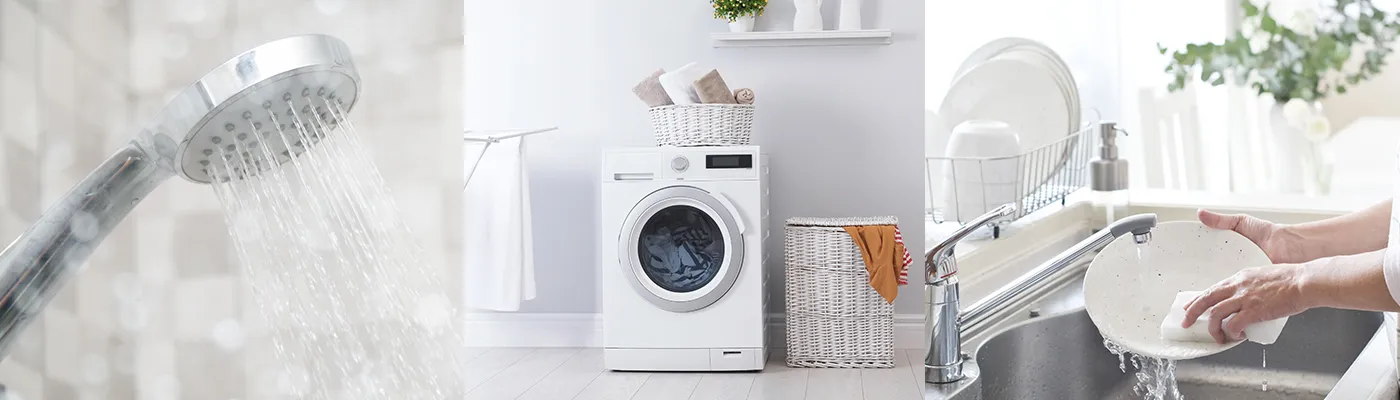
Many homeowners are surprised to learn how much energy their water heater uses. In most homes, water heating is the second-largest energy expense after heating and cooling systems. Because hot water is part of everyday routines like showers, laundry and dishwashing, the system runs frequently throughout the day and every season.
According to the US Department of Energy’s typical household energy estimates, water heaters account for roughly 18% of total residential energy use. That means a noticeable portion of your monthly utility costs may be directly tied to how efficiently your water heater operates. When a system is older, poorly maintained, or running at unnecessarily high settings, the energy required to heat and maintain hot water can increase.
Even small inefficiencies can add up over time. A water heater that cycles constantly or struggles with buildup may use more energy than expected. Understanding where this energy goes is the first step toward improving efficiency. To see why water heaters use more energy than many people expect, it helps to look at how traditional systems operate.
How do traditional water heaters use energy?
Traditional tank water heaters are designed to store a large volume of hot water, typically between 40 and 80 gallons, so it is ready whenever you need it. While this design is convenient, it also creates one of the most common sources of energy loss known as “standby heat loss.” Even when no hot water is being used, the system continues reheating the stored water to maintain a set temperature.
Over time, heat gradually escapes through the tank walls and connected plumbing. The water heater then cycles back on to replace that lost heat. This repetition can increase overall energy consumption, especially in older systems that lack modern insulation.
Factory temperature settings can also contribute to higher energy use. Many units are set around 140°F by default, which is often hotter than what most households require (EnergyStar.gov). Maintaining this higher temperature requires more energy and increases standby heat loss throughout the day.
Sediment buildup is another common efficiency issue. Minerals in the water settle at the bottom of the tank and form a layer between the heating element or burner and the water. This slows heat transfer, forcing the system to run longer to reach the desired temperature.
If you’re using an old water heater, these combined factors can increase operating costs. Newer technologies, such as heat pump water heaters, are designed to reduce standby energy losses and improve energy performance.
Interested in learning more about these options? Explore Rheem heat pump water heaters.
Fortunately, even without replacing your system, there are several simple adjustments that can reduce energy consumption.
How can adjusting your water heater temperature lower costs?
One of the simplest ways to reduce water heating costs is by adjusting the temperature setting on your water heater. The thermostat setting directly affects how much energy the system uses during each heating cycle and how much heat is lost while water sits in the tank.
For most households, 120°F provides more than enough hot water for daily use (EnergyStar.gov). Lowering the thermostat to this level can reduce the amount of energy required to heat the water and decrease standby heat loss throughout the day. Because many water heaters are factory-set around 140°F, lowering the temperature by about 20°F can reduce annual water heating costs by roughly 4% to 22%, depending on usage patterns and the type of system installed. Over time, that adjustment can translate into meaningful water heater savings.
It also reduces the risk of accidental scalding, which is particularly important in homes with children or older adults.
Adjusting the thermostat is often the fastest place to start when looking for ways to reduce your water heater bill. However, temperature settings are only one part of the picture. Maintenance and insulation also play a major role in how efficiently the system operates.
How does water heater maintenance and insulation improve efficiency?
Routine maintenance helps keep a water heater operating efficiently. Over time, minerals in the water settle inside the tank and create sediment buildup along the bottom. This layer makes it harder for heat to transfer into the water, which forces the system to run longer and consume more energy.
Flushing the tank helps remove this buildup and restore efficient heat transfer. Regular water heater maintenance can improve performance and may also extend the lifespan of the unit.
A few additional steps can further reduce wasted energy:
- Flush the tank annually to remove sediment buildup
- Add a water heater insulation blanket to older tank models to reduce standby heat loss
- Insulate the first few feet of hot water pipes to reduce heat loss before water reaches faucets
- Fix leaks and consider installing low-flow fixtures to reduce overall hot water demand
These improvements help reduce energy use while maintaining consistent hot water availability. Still, maintenance and adjustments can only go so far. As water heaters age, efficiency gains eventually level off, which is when upgrading to a modern system can make the biggest impact.
When does upgrading to a high-efficiency water heater reduce energy bills?
Maintenance and small adjustments can improve efficiency, but eventually system age becomes the biggest factor affecting energy performance. Older water heaters often lack the insulation, technology, and energy-saving features found in modern models, which can lead to higher operating costs over time.
Upgrading to a high-efficiency water heater can significantly reduce energy consumption, particularly if your current unit is more than 10 years old. Modern systems are designed to minimize heat loss, improve heat transfer, and operate more intelligently based on household demand.
Some of the most energy-efficient options available today include:
- Tankless water heater: these systems heat water on demand instead of storing it, which eliminates standby heat loss associated with traditional tank systems.
- ENERGY STAR®-certified heat pump water heaters: these units transfer heat from the surrounding air to heat water, using significantly less electricity than standard electric models. Some high-efficiency heat pump systems can use up to 75% less energy than conventional electric water heaters.
- Advanced tank models: modern tank water heaters feature improved insulation, more efficient heating elements, and smart controls that help optimize performance.
Upgrading to the best energy-efficient water heater for your home can lead to substantial long-term savings. While installation costs vary, the reduction in energy use often helps offset the investment through lower monthly utility bills. For homeowners exploring how to reduce energy bill expenses, replacing an aging water heater can be one of the most impactful upgrades.
If you’re considering an upgrade or have questions, contact a Rheem Pro who can help determine which system best fits your household’s needs.
FAQ
Q: Do water heaters really impact my energy bill that much?
Yes. Water heaters typically account for 18% of residential energy use, making them one of the largest contributors to monthly utility costs in many homes.
Q: What is the most efficient temperature setting for a water heater?
For most households, 120°F provides sufficient hot water while reducing unnecessary energy consumption and standby heat loss.
Q: Does flushing my water heater actually save money?
Yes. Sediment buildup inside the tank reduces heating efficiency. Flushing the tank removes these deposits and helps the system heat water more effectively.
Q: Is tankless more energy efficient than a tank?
In many cases, yes. Tankless systems heat water only when needed, which eliminates standby heat loss associated with traditional storage tanks.
Q: What’s the biggest cause of wasted water heating energy?
Two of the most common sources are standby heat loss and unnecessarily high temperature settings, both of which cause the system to consume more energy than necessary.