The push to increase energy efficiency and reduce emissions continues to drive change in the HVAC industry. As a result, the government is instituting significant changes in energy efficiency criteria and ratings for both residential and commercial equipment.
Rather than viewing the regulatory changes as a problem to be solved, Rheem is embracing them as an opportunity to innovate new technologies to create an even better product line for contractors and homeowners.
To help you understand what’s changing, why, and how it’ll affect you, we’re pleased to bring you this HVAC KnowZone® to act as a central hub, where you can easily access information as it becomes available.
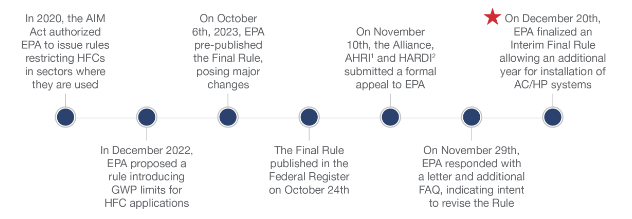
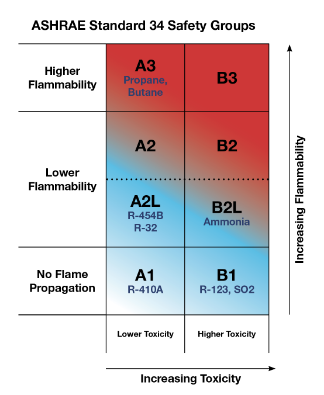
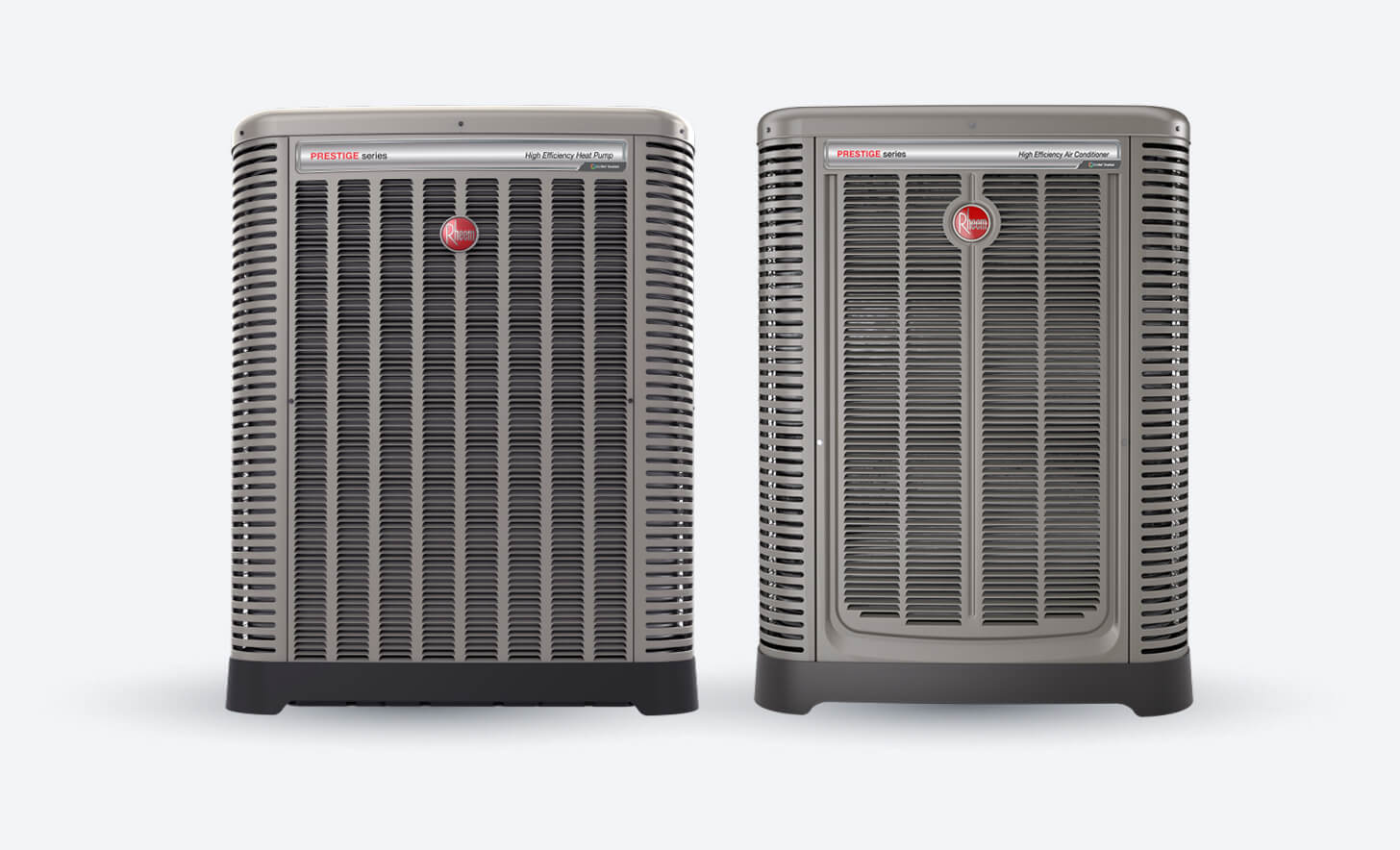
In October 2023, the U.S. EPA finalized the Technology Transitions Restrictions on the Use of Certain Hydrofluorocarbons (HFCs) under Subsection (i) of the AIM Act, establishing GWP limits for the applications that use HFCs. The Technology Transitions Rule contains a 700 GWP limit for air conditioners and heat pumps by 2025, prohibiting the use of R-410A, which has a GWP of 2,088.
This rule has had quite the journey, going back to 2020 when the AIM legislation was enacted. Responding to recent concern by industry, EPA signed an interim final rule in December 2023, regarding the installation compliance date for residential heat pump and air conditioning systems. The amendment allows for installation of higher-GWP HFC equipment manufactured or imported before January 1, 2025, to be installed until January 1, 2026.

For 2025, the Environmental Protection Agency (EPA) has set a global warming potential (GWP) limit of 700 for refrigerant used in heating and cooling systems. This new requirement will result in a 78%3 lower GWP than previous-generation refrigerants—with only minimal changes to system installation. For us, this is another step toward our continued sustainability goal of reducing greenhouse gas emissions, while still delivering an exceptional level of energy efficient, dependable comfort.
1Air Conditioning, Heating & Refrigeration Institute. 2Heating, Air Conditioning and Refrigeration Distributors International. 3When comparing the GWP of R-454B to R-410A refrigerant.


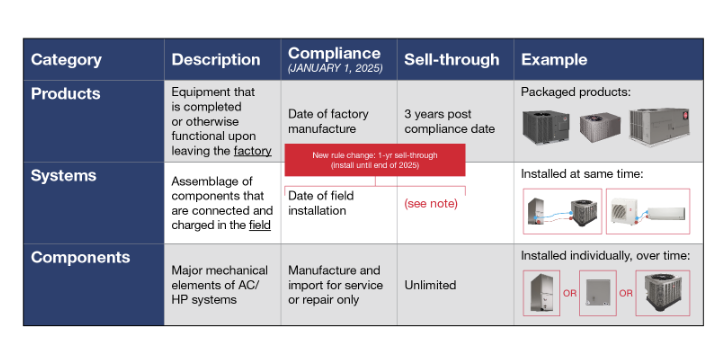
It is essential to get familiar with the regulation specifics. EPA delineates the equipment categories of Products, Systems and Components, and the rules are different for each.
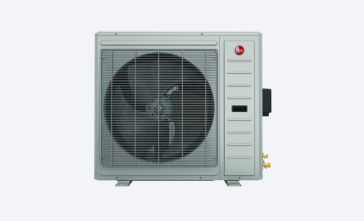
Packaged equipment are considered “Products” and have a three-year sell-through of existing inventory. “Systems” are considered a grouping of components, such as a split ducted AC/HP or mini-split, and that compliance is based on system installation, but equipment made before 2025 can now be installed through 1/1/26. “Components” are the major elements such as an indoor coil, outdoor condensing unit or air handler, and can be manufactured for R-410A indefinitely as long as they are only used for the service of already-installed equipment and labeled as such.


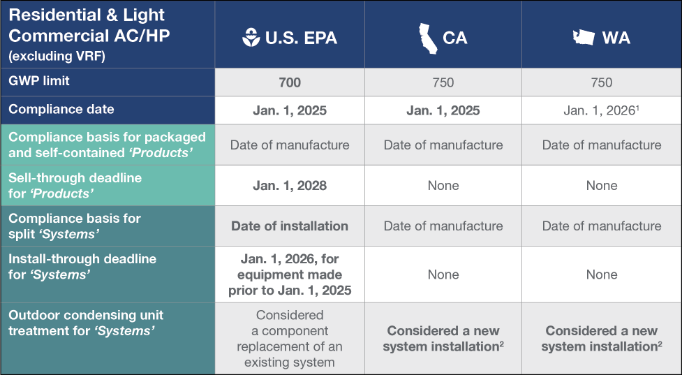
There is no federal preemption of state authority in the American Innovation and Manufacturing (AIM) Act. Both California and Washington have finalized state HFC rules, and other states are also considering doing the same. It’s important to note any differences between local and federal rules for your state, as the more stringent requirement prevails.


NOTE: In CA, R-410A condensing units manufactured prior to 1/1/25 can continue to be sold for service after the compliance date.


Furnace Efficiency Rule
On December 18, 2023, the DOE published the final rule for energy conservation standards of consumer furnaces, making official the new minimum annual fuel utilization efficiency (AFUE) of 95% in the Federal Register. Compliance with the amended standards will be required on December 18, 2028.
NOTE: The gas industry has launched a lawsuit against DOE, challenging the final rule. The result of the legal challenge will likely take some time to resolve, but stakeholders should continue to prepare for the 2028 compliance date as stated in the rule.
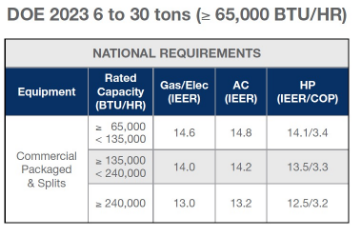
DOE is preparing regulations that will bring new metrics and a 28–35% expected increase in minimum efficiency for large commercial air conditioners and heat pumps. The traditional efficiency rating metrics of IEER and COP will be replaced by IVEC and IVHE, reflecting changes in the DOE test procedure that incorporate additional sources of energy consumption. The anticipated rules will be required for all new large commercial equipment by January 1, 2029.


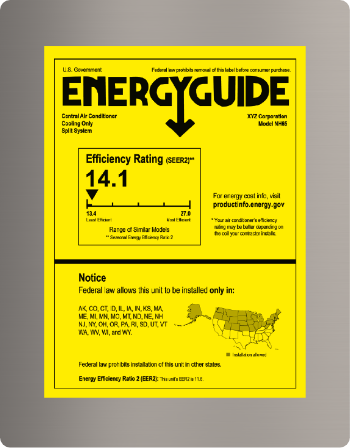
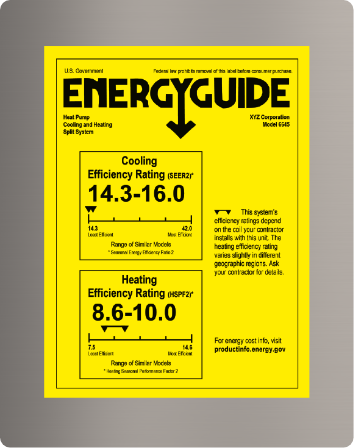
ENERGYGUIDE 101
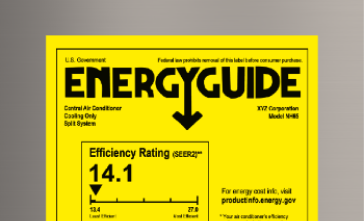
The FTC (Federal Trade Commission) first issued an Energy Labeling Rule in 1979. The Rule requires manufacturers of major home appliances to attach yellow EnergyGuide Labels to products and post label information to supporting brochures and websites.


Consumers should use EnergyGuide Labels to comparison shop for the best in energy-efficient solutions.